
Short-term letting on the Isle of Wight
Cowes, Ventnor, Ryde: why the double council tax on second homes makes the business-rates test central for Isle of Wight holiday let owners.
AirDNA market averages (markets with at least 150 active listings), atlas updated September 2026, in pounds (1 EUR = 1.1403 USD = 0.86045 GBP, ECB 25/09/2026). An average across all property sizes, not a promise. Rules status: our summary — read the text and the guide.
An island with its own rhythm
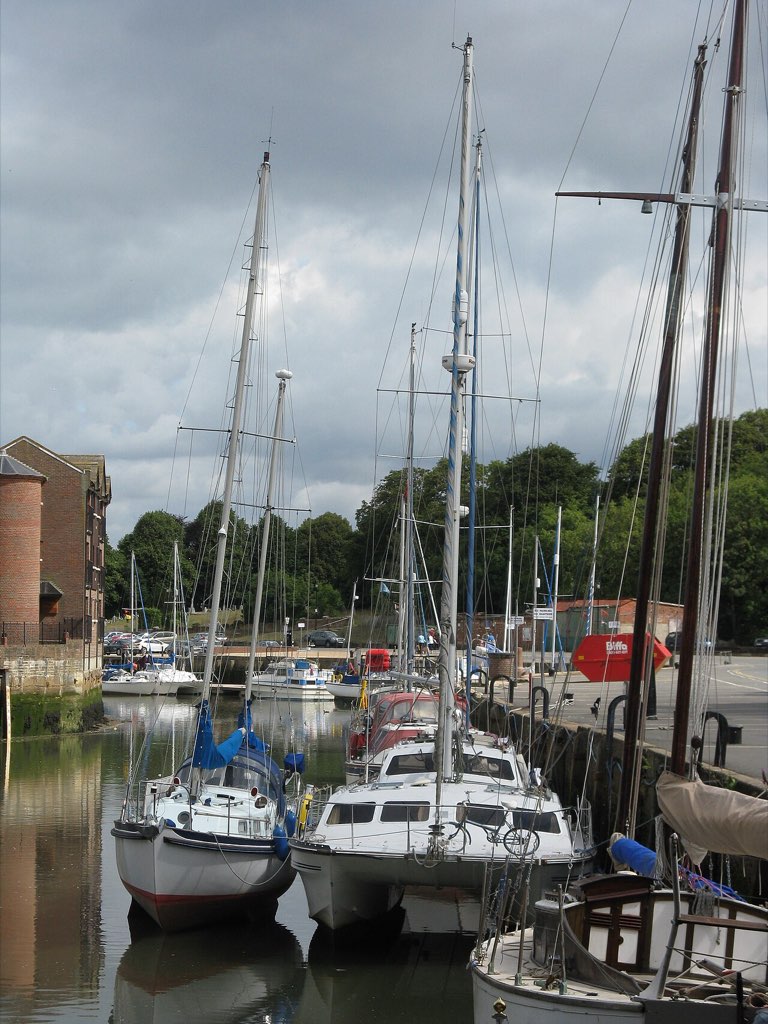
The Isle of Wight sells an idea that mainland resorts struggle to match: a short crossing and then a slower pace. Cowes fills for sailing week, the festival brings a surge in June, and walkers and cyclists come for the coastal path and the downs well outside the school holidays. Ventnor, Bembridge, Yarmouth and Ryde each attract a slightly different visitor, from families on the beach to couples looking for a quiet base. Cottages, coastal houses and a limited stock of good apartments make up most of the market.
Regulation on the island
As elsewhere in England, there is currently no licence and no register for short lets. The national register announced on 3 September 2026 is due to be fully operational by March 2027. Planning permission is not automatically required, but the Isle of Wight Council, as planning authority, can treat intensive letting as a material change of use, particularly where a family home in a residential street becomes a busy holiday let.
The council tax question matters more here
From 1 April 2025 the island council charges double council tax on second homes and on furnished properties left without a resident between lets. For many owners that makes the business-rates route decisive: the property must be available for at least 140 nights, actually let for 70 within twelve months, and intended to continue. Meeting those thresholds takes planning, especially outside July and August, and the evidence has to be kept.
Island logistics
Every service costs more when it crosses the Solent. Linen, repairs and replacement items should be sourced on the island where possible, and a local contact must be able to reach the property the same day when a boiler fails or a key box jams. Check that your insurance names holiday letting, and that fire safety equipment and certificates are current before the first booking.
Handled well, an island property can earn from spring to late autumn rather than for a few summer weeks. Tell us about the property: we study every request and tell you honestly whether and how we can help.
Beyond the beaches: what guests actually plan around
Ask island visitors what brought them and many will name something inland or historic rather than a stretch of sand. Osborne, Queen Victoria's seaside house at East Cowes, and Carisbrooke Castle above Newport draw heritage travellers in every month. The chalk ridge running west to the Needles, with the coloured cliffs of Alum Bay and the walk over Tennyson Down from Freshwater Bay, pulls in walkers and photographers. Families come for dinosaurs: the south-west coast around Compton Bay and Brook is one of Britain's best-known fossil shores, and Dinosaur Isle at Sandown turns rainy afternoons into bookings. The Isle of Wight Steam Railway at Havenstreet and the island's walking festival in spring add reasons to come outside summer.
How guests arrive shapes the property you should offer. Car ferries land at Fishbourne, East Cowes and Yarmouth, while foot passengers reach Ryde by fast craft and then ride the Island Line towards Sandown and Shanklin. A home near those stations or the Ryde Pier interchange can welcome guests who leave the car on the mainland; a cottage in the West Wight needs parking and a clear route from the ferry. Fossil hunters and coast-path walkers appreciate an outdoor tap and somewhere to leave muddy boots.
- Check the ground: the Undercliff between Niton and Ventnor is a known landslip zone, so a structural survey and the right insurance wording matter there.
- Keep a spare set of keys with someone on the island rather than on the mainland.
Around Isle of Wight
Read next
- Rules in England
- Short-term rental in Manchester
- Short-term rental in Mid Wales
- Short-term rental in Norfolk
- Leasehold covenants and mortgage consent: the checks before any short let
- Holiday let tax after the end of the FHL regime: where owners stand in 2026
- Business rates or council tax? The holiday let thresholds explained
- Short-term rental in the United Kingdom
Sources
- Propertymark — National short-term lets register promised by March 2027 (announcement of 3 September 2026) (2026-09-04)
- GOV.UK — Consultation: introduction of a use class for short-term lets and associated permitted development rights (2024 (accessed 2026-09-27))
- Isle of Wight Council — Second home premium (accessed 2026-09-27)
- GOV.UK — Apply for business rates for a self-catering property in England (2026-04-01)
- GOV.UK — Letting out a self-catering holiday home in England: rules and regulations (2026-05-15)
Updated 10/10/2026.
Thinking of renting out your property?
Tell us about it: we study every request, check the rules for your exact address and tell you honestly whether and how we can help. Free and without obligation — Hexuvium, managing short-term rentals since 2015.
Get a free income estimate