
Vermont short-term rental rules for owners
Vermont adds a 3% surcharge to its rooms tax for short-term rentals and leaves licensing to towns, from open ski resorts to a strict Burlington.
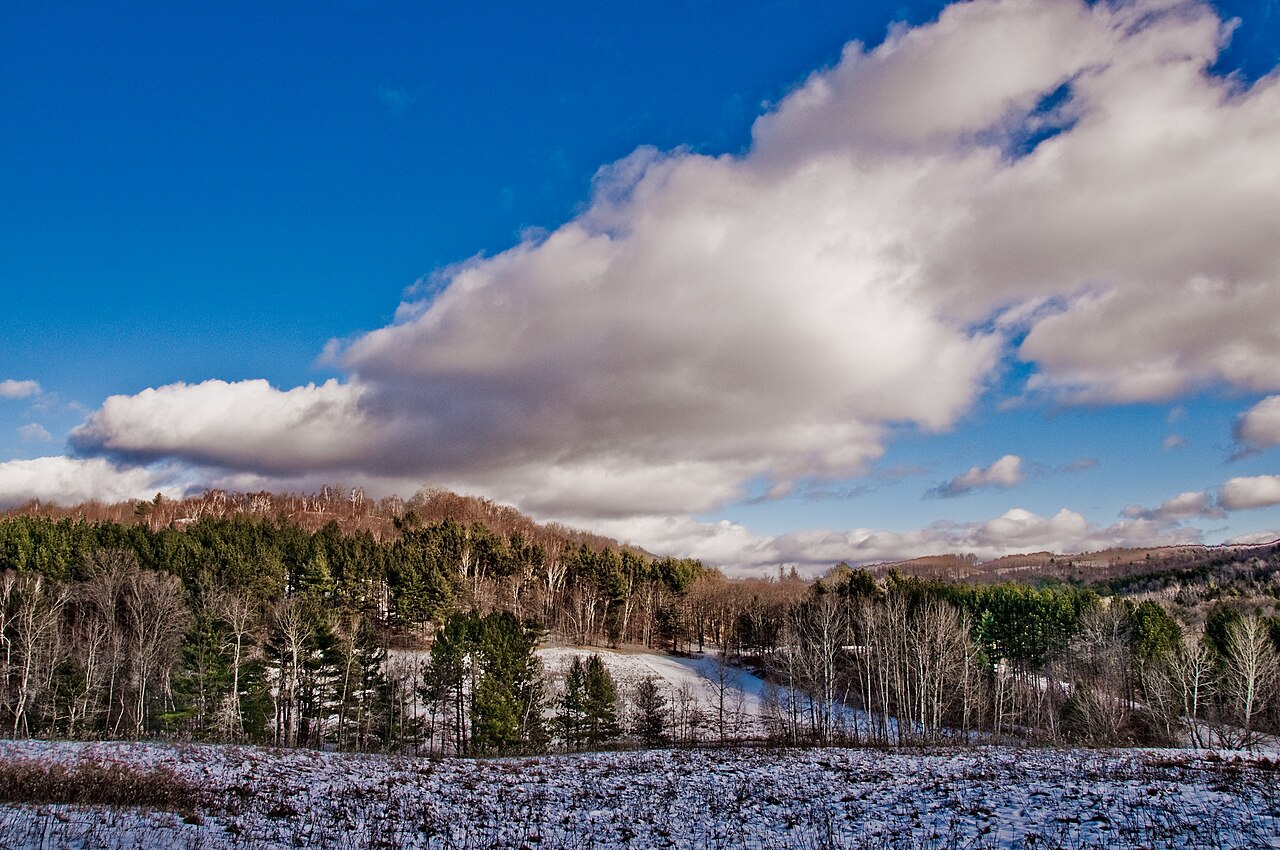
Vermont is a small state with an outsized short-term rental market: ski resorts, lake towns, covered-bridge villages and a foliage season that fills inns and farmhouses every October. It is also a state with a housing shortage that has made short stays a political subject. The result is a light licensing touch at state level, a distinct tax surcharge on short-term rentals, and growing activity in town halls.
No state operating license
Vermont does not issue a general operating license or run a statewide registry for short-term rentals. Rentals must still meet the state's fire and building safety codes and its health rules, like any lodging offered to the public, and the state has published guidance for operators. The obligations that apply to every owner, though, are mainly fiscal.
Taxes: rooms tax plus surcharge
- Meals and rooms tax at 9% on the rent for short stays.
- Short-term rental surcharge of 3%, on rents collected from August 1, 2024. It was created specifically for short-term rentals, and it funds the state's Education Fund.
- Local option tax of 1% in municipalities that have adopted it, filed with the state.
- Some places also have a local lodging tax filed with the town.
Marketplaces are required to register with the Department of Taxes and collect the rooms tax, the surcharge and any local option tax on their bookings. An owner who rents only through them usually does not need to file. An owner who takes direct bookings, or rents for 15 days or more a year outside platforms, needs a business tax account through myVTax, and anyone paying the surcharge must file electronically.
Local control
Towns and cities regulate through zoning and ordinances, and outcomes differ widely:
- Burlington sits at the strict end, with owner-occupancy requirements that make investor rentals impractical; we treat it as closed.
- Ski and resort towns have generally remained open, but several have adopted registration ordinances with safety self-certification, a local contact and occupancy limits.
- Village centers and lake towns are debating caps, permits or zoning limits as part of housing policy.
Condominium associations at the resorts often operate their own rental programs and rules, which can matter more than the town's.
Septic, wells and Act 250 country
Much of rural Vermont relies on private wells and septic systems permitted for a set number of bedrooms. Adding bedrooms or turning a barn into guest space can require state wastewater permits and, for larger projects, land use review. Plan renovations with these approvals in mind.
Insurance and safety
Standard homeowner policies often exclude business use; choose cover written for short-term rentals. Smoke and carbon monoxide alarms, clear egress, a posted emergency contact and winter safety (snow, ice, heating) are the basics guests and inspectors look for.
Two peaks, two quiet spells
Vermont demand is shaped by the calendar more than by any statute. Ski weekends and holiday weeks run from December to March, summer brings lakes, hiking and weddings, and foliage packs late September and October. Between them, April and May (mud season) and November are slow. Owners who do well plan maintenance, inspections and deep cleaning for those gaps, and price the peaks early, since many guests book the foliage weeks a year ahead.
Mid-term stays and housing politics
Because the housing shortage drives local debates, towns look more kindly on furnished stays of 30 days or more for traveling nurses, seasonal workers and people relocating. They generally fall outside the rooms tax once the stay is long enough, and they can fill the quiet months without adding to the pressure on neighbors.
Owner checklist
- Ask the town clerk about any registration ordinance and zoning limits for the address.
- Decide whether you will book directly; if so, open a myVTax account and file the rooms tax, surcharge and local option tax.
- Check septic and well permits against the bedroom count you plan to advertise.
- Read condominium documents at the resorts.
- Insure for short-term rental use.
For owners in the Green Mountains ski towns, we study every request and tell you honestly whether and how we can help.
Other guides
- Florida
- Arizona
- Idaho
- Texas
- Tennessee
- Wisconsin
- Iowa
- Nebraska
- Alabama
- Alaska
- Arkansas
- California
- Colorado
- Connecticut
- Delaware
- Georgia
- Illinois
- Indiana
- Kansas
- Kentucky
- Louisiana
- Maine
- Maryland
- Massachusetts
- Michigan
- Minnesota
- Mississippi
- Missouri
- Montana
- Nevada
- New Hampshire
- New Jersey
- New Mexico
- New York
- North Carolina
- Ohio
- Oklahoma
- Oregon
- Pennsylvania
- Puerto Rico
- South Carolina
- South Dakota
- Us Virgin Islands
- Virginia
- Washington
- West Virginia
- DSCR loans for short-term rentals, and the new conventional option
- Owning a US short-term rental from abroad: the tax map
- Owning a short-term rental through an LLC: what it really changes
- Permits, occupancy limits and fire inspections for US short-term rentals
Sources
- Vermont Department of Taxes - Meals and Rooms Tax (consulted 2026-09-27)
- Vermont Department of Taxes - Short-term rentals (consulted 2026-09-27)
- Avalara MyLodgeTax - Vermont vacation rental tax guide (consulted 2026-09-27)
- BNBCalc - Vermont short-term rental regulations (2026-08-24)
Updated 25/10/2026.
Thinking of renting out your property?
Tell us about it: we study every request, check the rules for your exact address and tell you honestly whether and how we can help. Free and without obligation — Hexuvium, managing short-term rentals since 2015.
Get a free income estimate