
Oklahoma short-term rental rules for owners
Oklahoma has no state short-term rental license and no preemption law, so sales and lodging taxes, city ordinances and private covenants set the rules.
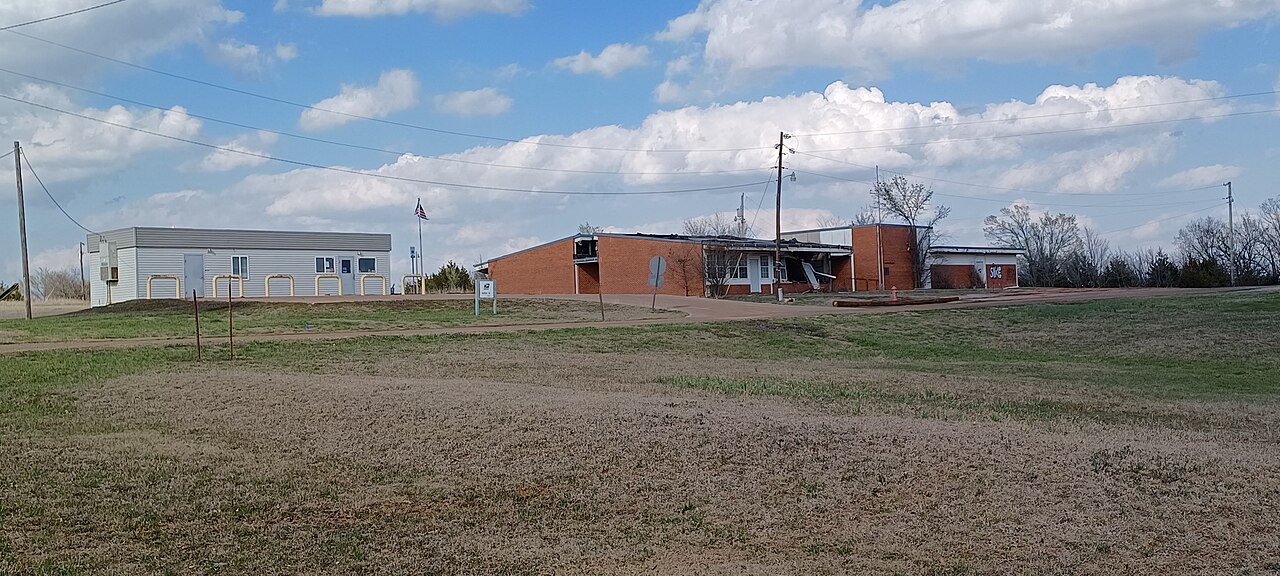
Oklahoma is a quiet state on short-term rental regulation, and that quiet can mislead. There is no statewide license and no state agency that approves rentals, but there is also no state law protecting owners from local decisions. The rules an owner faces come from three places: the state tax code, the city or town where the property sits, and the private covenants attached to the land.
No preemption, no state license
Unlike Arizona, Florida or Idaho, Oklahoma has not passed a statute limiting what cities and counties can do about short-term rentals. We found no such law enacted as of September 2026. The practical consequence is double-edged. Where local governments have stayed out of the subject, owners enjoy real freedom; where they have acted, nothing at state level stops them from adding conditions, caps or residency rules. A market described as open today can become regulated after a single season of complaints.
Taxes on a short stay
Oklahoma taxes lodging mainly through its sales tax. The state sales tax of 4.5% applies to the service of furnishing rooms by hotels, motels, lodging houses and tourist camps, and short-term rentals are treated as lodging for this purpose. On top of that come:
- city and county sales taxes, which vary from place to place;
- local lodging or hotel taxes adopted by cities and some counties, sometimes administered by the state, sometimes filed directly with the local government;
- the obligation to register with the Oklahoma Tax Commission and obtain a sales tax permit before collecting tax, unless every booking goes through a platform that collects and remits for you.
Cleaning and pet fees are generally part of the taxable price. Airbnb and Vrbo collect a number of these taxes on their own bookings, but coverage is not uniform across local lodging taxes, and direct bookings are always your responsibility. Keep proof of what each platform remits.
How the cities differ
Tulsa has chosen a licensing model without zoning bans. Short-term rentals are allowed in every zoning district, but each needs a city license renewed every year before June 30, a local contact able to reach the property within an hour, a maximum of eight occupants and a strict ban on parties and events.
Oklahoma City regulates short-term rentals as home sharing. Changes that took effect in February 2025 limit how many nights per month a property can be rented without a special exception, cap guest numbers, add parking requirements and limit how many permitted properties a block can hold, alongside stronger enforcement and a hotel tax license.
Hochatown, the center of the Broken Bow Lake cabin market, restored its status as an incorporated town in 2022 and now requires a short-term rental license and town lodging tax filings. In 2026 it went to court over rental tax revenue credited to the neighboring city, a reminder that the address on a listing is not proof of jurisdiction.
Lake and rural counties, such as those around Grand Lake O' the Cherokees, often have no zoning or rental permit at all. The rules that bind there are taxes, health and building codes, and private covenants.
Other cities, including Norman and Lawton, have their own hotel taxes or registration systems. Our Oklahoma markets are Tulsa, Broken Bow Lake and Grand Lake.
Covenants, HOAs and insurance
Private rules often matter more than public ones in Oklahoma. Lake subdivisions, gated communities and newer suburban developments frequently carry covenants or association bylaws that set minimum stays, occupancy limits or outright bans on short-term renting. They are contracts, enforceable in court, and no city license overrides them. Read the recorded covenants and any amendments, not a summary from the listing agent.
A standard homeowner's policy is usually not written for a property rented to paying guests every week. Ask for a policy designed for short-term rentals, with liability coverage that matches your risk: hot tubs, docks, boats, fireplaces and steep decks are common in Oklahoma cabins and lake homes. Platform host protection is a complement, not a substitute. In tornado country, check wind and hail deductibles, which are often a percentage of the insured value.
What an owner must check
- Jurisdiction. Is the property inside a city or town, or in unincorporated county land? Ask the county assessor, not the listing.
- Local rules. Does that jurisdiction require a license, a permit or a registration, and are there caps, night limits or occupancy rules?
- Taxes. Which sales and lodging taxes apply at that address, who files each one, and does your platform remit all of them?
- Covenants. Do recorded restrictions or HOA rules limit rentals?
- Infrastructure. For rural cabins and lake homes, is the septic system permitted for the guest count you plan to market, and is the water supply reliable?
- Insurance. Is the policy written for short-term rental use, with adequate liability?
Our view
Oklahoma offers some of the most accessible short-stay markets in the region, from Tulsa's licensed neighborhoods to cabin and lake country. The freedom is real but provisional. Buy where the numbers still work if a city adds rules later, and treat compliance as part of the product. If you own a property in Oklahoma or are considering one, we study every request and tell you honestly whether and how we can help.
Other guides
- Florida
- Arizona
- Idaho
- Texas
- Tennessee
- Wisconsin
- Iowa
- Nebraska
- Alabama
- Alaska
- Arkansas
- California
- Colorado
- Connecticut
- Delaware
- Georgia
- Illinois
- Indiana
- Kansas
- Kentucky
- Louisiana
- Maine
- Maryland
- Massachusetts
- Michigan
- Minnesota
- Mississippi
- Missouri
- Montana
- Nevada
- New Hampshire
- New Jersey
- New Mexico
- New York
- North Carolina
- Ohio
- Oregon
- Owning a US short-term rental from abroad: the tax map
- Owning a short-term rental through an LLC: what it really changes
- Permits, occupancy limits and fire inspections for US short-term rentals
- Personal use of your short-term rental: the 14-day rule and beyond
Sources
- Oklahoma Statutes 68-1354 - Sales tax levy (furnishing of rooms) (2025)
- Avalara MyLodgeTax - Oklahoma vacation rental tax guide (consulted 2026-09-27)
- City of Tulsa - Short-Term Rentals (consulted 2026-09-27)
- Avalara MyLodgeTax - Oklahoma City strengthens short-term rental rules (2025-03)
- Town of Hochatown - Short Term Rentals (consulted 2026-09-27)
- Southwest Ledger - Hochatown files lawsuit over short-term rental tax (2026-07-21)
- Awning - Oklahoma short-term rental laws (2026-04-01)
Updated 20/10/2026.
Thinking of renting out your property?
Tell us about it: we study every request, check the rules for your exact address and tell you honestly whether and how we can help. Free and without obligation — Hexuvium, managing short-term rentals since 2015.
Get a free income estimate