
Montana short-term rental rules for owners
Three state layers apply in Montana: a public accommodation license, two lodging taxes and a 2025 property tax split that favors long-term letting.
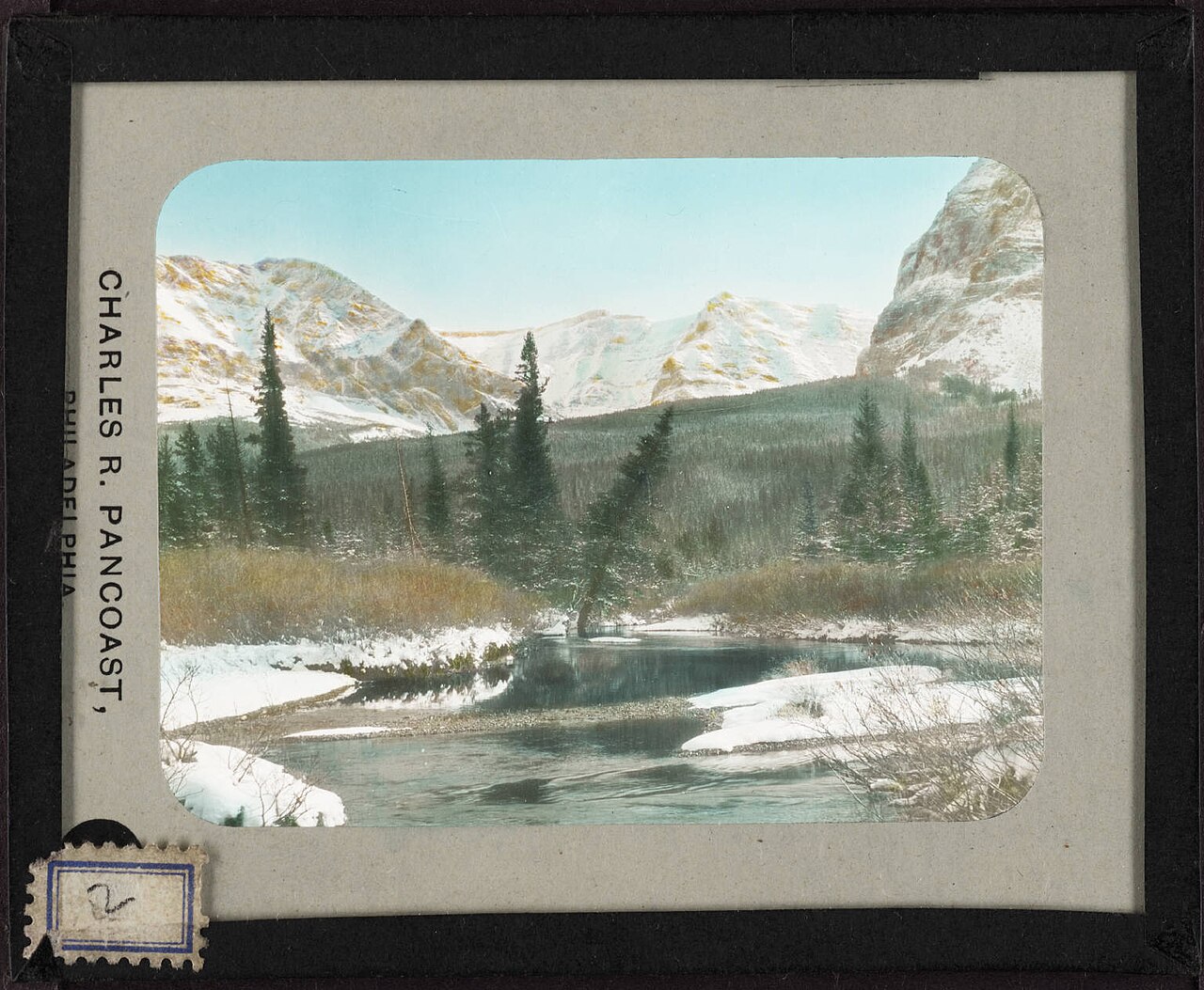
Montana does not license short-term rentals at the state level in the way some states do, but it is far from hands-off. Three state layers apply to almost every rental: a public health license, two lodging taxes and, since the 2025 session, a property tax system that treats short-term rentals less favorably than homes lived in or let long-term. Cities and counties then add their own permits and zoning rules.
Layer one: the public accommodation license
A vacation home rented to the public is a public accommodation in Montana's eyes. The Department of Public Health and Human Services (DPHHS) issues the license, usually working with the county sanitarian. The process starts with a public sleeping accommodation plan review describing the property, its floor plan, its water and wastewater systems and its cleaning routine, followed by an on-site inspection. Licenses renew every year before December 31. Operators also keep a guest register with names and contact details that inspectors can consult for at least a year. In Missoula, for example, the city-county health department handles this license alongside the city's own registration.
Layer two: lodging taxes
Montana has no general sales tax, but it does tax lodging. According to the Department of Revenue, vacation rentals, whether a house, apartment, timeshare or room, are subject to both the lodging facility use tax and the lodging facility sales tax. Every accommodation that must collect them needs a seller's permit before operating. Since Senate Bill 52, short-term rental marketplaces and online hosting platforms must collect, report and pay these taxes on the bookings they facilitate; you remain responsible for anything booked outside those platforms. Returns are filed quarterly, and filing and paying on time earns a small vendor allowance on the sales tax portion.
Some resort communities add a local resort tax on lodging and other tourist purchases, Big Sky among them. Check whether your area levies one and whether your platform collects it.
Layer three: property tax after 2025
A property tax law passed late in the 2025 session split residential property into homestead and non-homestead classes. Primary residences and long-term rentals let to tenants for at least seven months a year qualify as homestead, at lower rates. Second homes and short-term rentals fall on the non-homestead side, where rates are higher, with new rates phasing in from 2026. For an owner, the choice between short-term and long-term letting now has a property tax consequence as well as an income one.
Local rules
Montana cities and counties regulate through zoning and local permits, and the approaches differ:
- Missoula requires an annual city registration, the health department license and a state tax account, with neighbor notification for tourist homes in residential zones and a registration number in every listing.
- Billings requires a short-term rental permit and a city business license, a named individual as 24/7 contact and has stepped up enforcement against unpermitted listings.
- Resort and gateway towns such as Bozeman, Whitefish and communities near the national parks set their own rules, which can be considerably stricter; check them parcel by parcel.
Insurance, HOAs and practicalities
Standard homeowner's policies usually exclude nightly rentals, so look for a policy written for short-term rental use with liability cover. Subdivision covenants, common around ski areas and lakes, can prohibit or limit rentals regardless of local zoning. Rural properties raise their own questions: well and septic capacity (which the health license plan review also examines), winter access and wildfire exposure.
Checklist
- Apply for the DPHHS public accommodation license and schedule the inspection.
- Obtain a seller's permit from the Department of Revenue for lodging taxes.
- Check local permits, zoning and any resort tax.
- Read HOA covenants before buying.
- Keep a guest register and file quarterly returns for direct bookings.
- Factor the non-homestead property tax class into your projections.
Our view
Montana's rules are manageable once you know the three state layers, and local rules decide the rest. The 2025 property tax change makes the numbers tighter, so compare short-term and long-term letting honestly before buying. We study every request and tell you honestly whether and how we can help.
Other guides
- Florida
- Arizona
- Idaho
- Texas
- Tennessee
- Wisconsin
- Iowa
- Nebraska
- Alabama
- Alaska
- Arkansas
- California
- Colorado
- Connecticut
- Delaware
- Georgia
- Illinois
- Indiana
- Kansas
- Kentucky
- Louisiana
- Maine
- Maryland
- Massachusetts
- Michigan
- Minnesota
- Mississippi
- Missouri
- Nevada
- New Hampshire
- Owning a short-term rental through an LLC: what it really changes
- HOA rules and short-term rentals: what to check before you buy
- DSCR loans for short-term rentals, and the new conventional option
- Owning a US short-term rental from abroad: the tax map
Sources
- Montana Department of Revenue - Lodging Facility Sales and Use Tax (consulted 2026-09-27)
- COHO Collective - Get compliant: Montana STR rules (consulted 2026-09-27)
- Avalara MyLodgeTax - Short-term rentals in Montana face steep tax increases under new homestead law (2025-06)
- STR Profit Map - Missoula short-term rental regulations (consulted 2026-09-27)
- STR Profit Map - Billings short-term rental regulations (consulted 2026-09-27)
Updated 15/10/2026.
Thinking of renting out your property?
Tell us about it: we study every request, check the rules for your exact address and tell you honestly whether and how we can help. Free and without obligation — Hexuvium, managing short-term rentals since 2015.
Get a free income estimate