
US Virgin Islands short-term rental rules for owners
The US Virgin Islands tax villas and condos rented to visitors as hotels: a 12.5% room tax, a business license and monthly filings, with no cap.
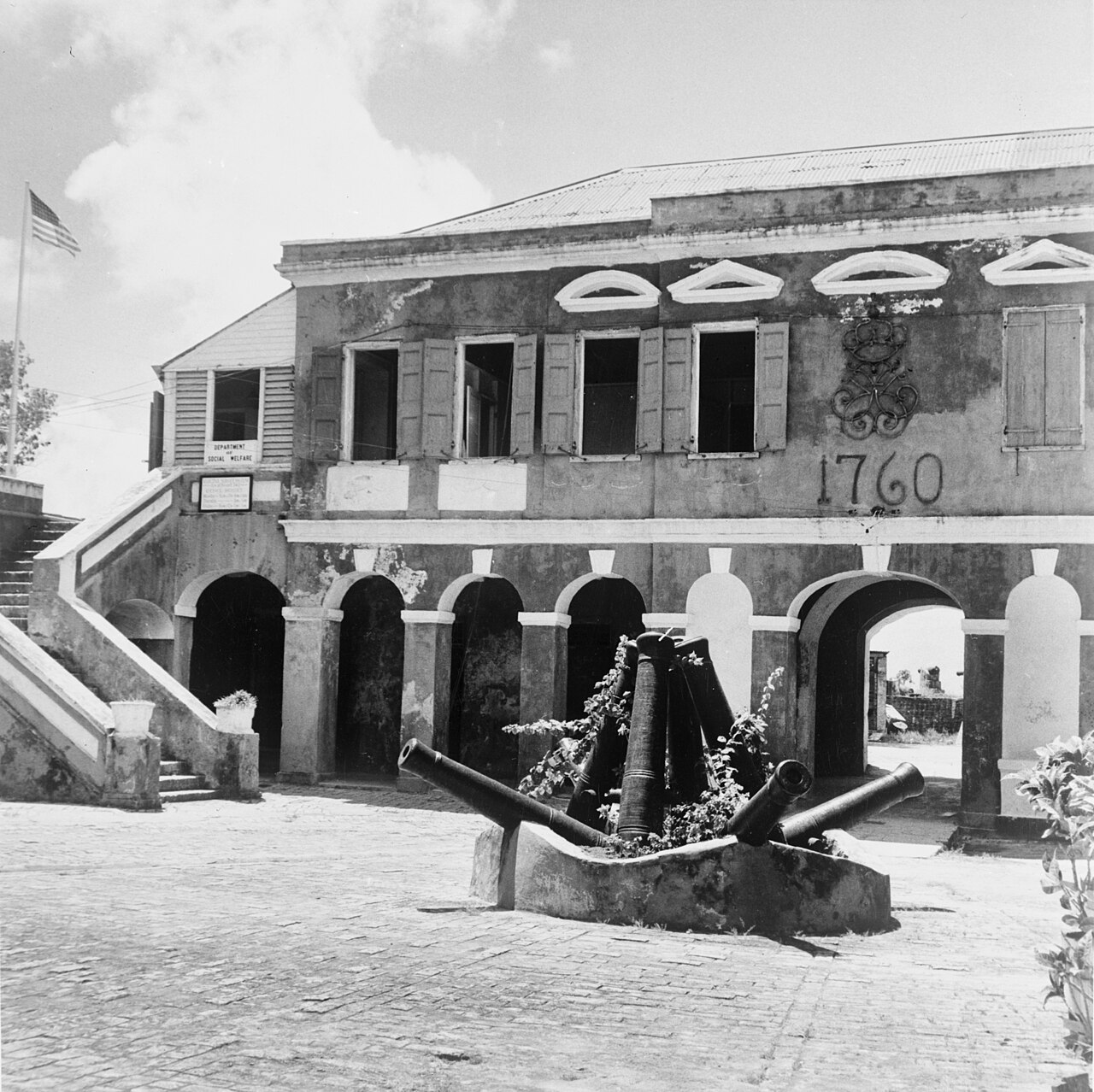
The US Virgin Islands, St. Thomas, St. John and St. Croix with Water Island, form an unincorporated US territory with its own tax code and licensing system. For owners of villas and condos, the framework is compact and relatively stable: a business license, a hotel room tax that treats private homes rented to visitors as hotels, and territorial income and gross receipts filings. What makes the islands demanding is less the law than insurance, infrastructure and logistics.
A rental is a hotel for tax purposes
Section 54 of Title 33 of the Virgin Islands Code imposes the hotel room tax. Its definition of a hotel is deliberately wide: every building or group of structures, including apartments, condominiums, timeshare developments and residences, rented or advertised to the public as a place where sleeping accommodations are furnished by the day, week, month or season. A guest is a person staying less than 90 days. The consequences:
- the tax is 12.5% of the gross room rate or rental;
- the hotelkeeper or innkeeper, a term that covers the owner, a lessor and their agents, collects it from the guest and shows it as a separate charge;
- returns and payment are due within 30 days after the end of each calendar month.
Timeshare owners using their own time are excluded, but exchange rentals are not. Check with your platform what it collects; any tax it does not collect remains the innkeeper's obligation.
Business license
Renting accommodations to visitors is a business activity in the territory. The Department of Licensing and Consumer Affairs issues business licenses, and the tax registrations with the Bureau of Internal Revenue follow. Keep the license current and displayed where required, and expect lenders, associations and insurers to ask for it.
Other taxes
Rental income is also subject to the territory's income tax and to gross receipts reporting through the Bureau of Internal Revenue. The Virgin Islands tax system mirrors the federal code but is administered separately, and residency rules decide where you file. An accountant familiar with the territory is essential.
No cap, no residency rule
Unlike many mainland cities, the territory does not cap short-term rentals or require the owner to live on site. Condominium associations are the main source of restrictions, with rules on minimum stays, registration of guests and use of amenities.
Island by island
- St. Thomas: the most visitors, cruise traffic, condos and villas around the East End and Red Hook; ferries connect to St. John.
- St. John: largely national park, a villa market with limited roads and utilities; everything arrives by ferry.
- St. Croix: larger, more spread out, with a separate airport and a more local rhythm, historic towns and diving.
Insurance and resilience
Windstorm insurance is the biggest variable in the budget and can be hard to place. Hurricane shutters, a generator, water cisterns and a reliable local caretaker are standard for any serious rental. Plan cancellation policies for the hurricane season, from June to November.
Operating from a distance
Most owners do not live on the islands, and distance magnifies every small problem: a failed pump, a tripped breaker, a missing key. Guests arriving by ferry or after a long flight expect a smooth check-in, so plan a local team for cleaning, maintenance and emergencies, keep spare parts on site, and document every system in a house manual. Shipping times and costs are real, so replacement appliances and furniture need to be ordered well ahead of the high season.
Owner checklist
- Obtain the territorial business license before listing.
- Register for and file the 12.5% hotel room tax monthly.
- Set up income and gross receipts filings with a local accountant.
- Read condominium rules and check utilities, access and cisterns.
- Secure windstorm and liability coverage before the first booking.
None of this is exotic: it is the discipline of running a small hotel, applied to a private home.
For villa and condo owners in the US Virgin Islands, we study every request and tell you honestly whether and how we can help.
Other guides
- Florida
- Arizona
- Idaho
- Texas
- Tennessee
- Wisconsin
- Iowa
- Nebraska
- Alabama
- Alaska
- Arkansas
- California
- Colorado
- Connecticut
- Delaware
- Georgia
- Illinois
- Indiana
- Kansas
- Kentucky
- Louisiana
- Maine
- Maryland
- Massachusetts
- Michigan
- Minnesota
- Mississippi
- Missouri
- Montana
- Nevada
- New Hampshire
- New Jersey
- New Mexico
- New York
- North Carolina
- Ohio
- Oklahoma
- Oregon
- Pennsylvania
- Puerto Rico
- South Carolina
- South Dakota
- Vermont
- Virginia
- Washington
- West Virginia
- Occupancy taxes on short-term rentals, explained
- DSCR loans for short-term rentals, and the new conventional option
- Owning a US short-term rental from abroad: the tax map
- Owning a short-term rental through an LLC: what it really changes
Sources
- 33 V.I.C. § 54, Hotel room tax (Virgin Islands Code via Justia, 2025 edition) (consulted 2026-09-27)
- U.S. Virgin Islands Department of Licensing and Consumer Affairs (consulted 2026-09-27)
- U.S. Virgin Islands Bureau of Internal Revenue (consulted 2026-09-27)
Updated 25/10/2026.
Thinking of renting out your property?
Tell us about it: we study every request, check the rules for your exact address and tell you honestly whether and how we can help. Free and without obligation — Hexuvium, managing short-term rentals since 2015.
Get a free income estimate