
Maryland short-term rental rules for owners
Maryland taxes short stays while counties and towns license them, from Deep Creek Lake's detailed permit to Ocean City's referendum-driven reversal.
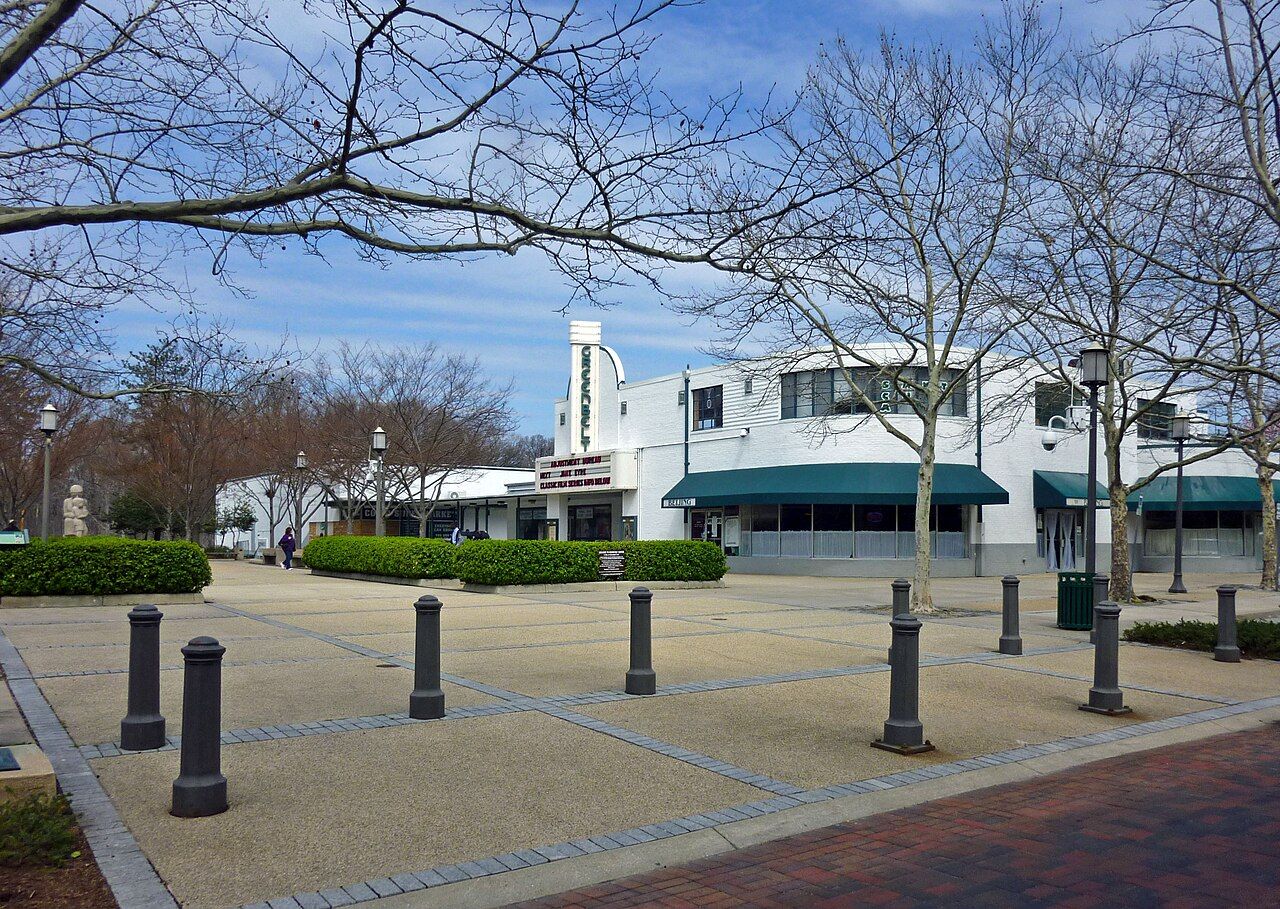
Maryland has no statewide short-term rental license and no law that shields rentals from local restrictions. The state taxes short stays; counties and incorporated towns decide where and how they may operate. That split produces very different outcomes within a few hours' drive of each other: a restrictive, owner-centered model in Baltimore City, a licensed mountain market at Deep Creek Lake, and a beach town, Ocean City, that spent 2025 and early 2026 arguing about short stays.
The tax layer
Short-term accommodations are subject to Maryland sales tax, and the entire charge is generally taxable, cleaning and pet fees included. Counties, and some cities, add a hotel rental tax at their own rate: Garrett County's is 8%, and Worcester County, home of Ocean City, levies its own room tax. Platforms collect the state sales tax on their bookings. Local hotel taxes have mostly been filed by owners themselves, but the state has scheduled collection of local lodging taxes by platforms from July 1, 2027. Until then, and for every direct booking, assume the local return is yours.
County and city regimes
- Garrett County and Deep Creek Lake. Since 2006, a Transient Vacation Rental Unit license has been required for rentals of 14 days or less, with a maximum of eight bedrooms, occupancy of two persons per bedroom plus four, egress and parking standards and bear-proof trash containers.
- Ocean City. An annual rental license, an emergency contact and noise rules. A March 2025 ordinance to phase out short stays in single-family and mobile home districts was rejected by referendum in August 2025; a moratorium on new permits in those districts followed and was repealed in March 2026.
- Baltimore City. Licensing is tied to the host's primary residence, and we treat the city as closed to new investor-style rentals.
- Other counties and towns, from the Annapolis area to the Eastern Shore, run their own licensing, with conditions that range from simple registration to residency requirements. Incorporated towns can add a layer on top of the county.
Why the patchwork matters
Without state preemption, a council can change the rules quickly, as Ocean City showed, and the outcome can hinge on a referendum petition. When you buy, you buy into a local political process as much as into a building. Reading recent council agendas is part of due diligence.
Associations and waterfront property
Homeowners associations and condominium regimes, common in Ocean City and in newer lake communities, can prohibit or restrict short stays regardless of what the county allows. Waterfront property raises flood insurance and permitting questions: at Deep Creek Lake, the shoreline buffer is state-owned and docks and other uses need permits.
Insurance and safety
Local licenses typically require working smoke and carbon monoxide alarms, safe egress and a responsible contact who can respond quickly. A standard homeowner policy often excludes business use; buy a policy designed for short-term rentals and keep proof of it with the license file.
Direct bookings and records
Repeat guests who book directly are valuable, but every direct stay brings the sales tax and local lodging tax back to you. Keep one ledger for platform stays and one for direct stays, with dates, amounts and taxes, and reconcile them before each filing.
Mountains, bays and ocean: three different businesses
Maryland's markets do not behave alike. The western mountains live on large group houses and two seasons, summer on the lake and winter on the slopes. The Chesapeake Bay towns sell sailing, seafood and weekends from the capital region. The Atlantic coast is a compressed summer of weekly stays and condo turnovers. Licensing, staffing and pricing should follow the market you are in, not a statewide average.
Owner checklist
- Identify every authority: county, town, association.
- Obtain the local license before listing, and calendar the renewal.
- Register for the county lodging tax and, for direct bookings, the state sales tax.
- Check the bedroom count, septic and occupancy limits.
- Follow local agendas for proposed changes.
For owners at Deep Creek Lake or on the Ocean City coast, we study every request and tell you honestly whether and how we can help.
Other guides
Sources
- Garrett County - Transient Vacation Rental Units (TVRUs) (consulted 2026-09-27)
- Avalara MyLodgeTax - Maryland vacation rental tax guide (consulted 2026-09-27)
- OceanCity.com - Ocean City moves forward with phased short-term rental ban (2025-03)
- Avalara MyLodgeTax - Ocean City, Maryland, ends short-term rental moratorium in residential districts (2026-03)
- Maryland DLS - Fiscal note SB 763 (2025) (2025-02-23)
Updated 10/10/2026.
Thinking of renting out your property?
Tell us about it: we study every request, check the rules for your exact address and tell you honestly whether and how we can help. Free and without obligation — Hexuvium, managing short-term rentals since 2015.
Get a free income estimate