
Short lets in Northern Ireland: the Tourism NI certificate explained
In Northern Ireland every holiday let needs a Tourism NI certificate: an application, a fee, an inspection every four years and fire safety duties of its own.
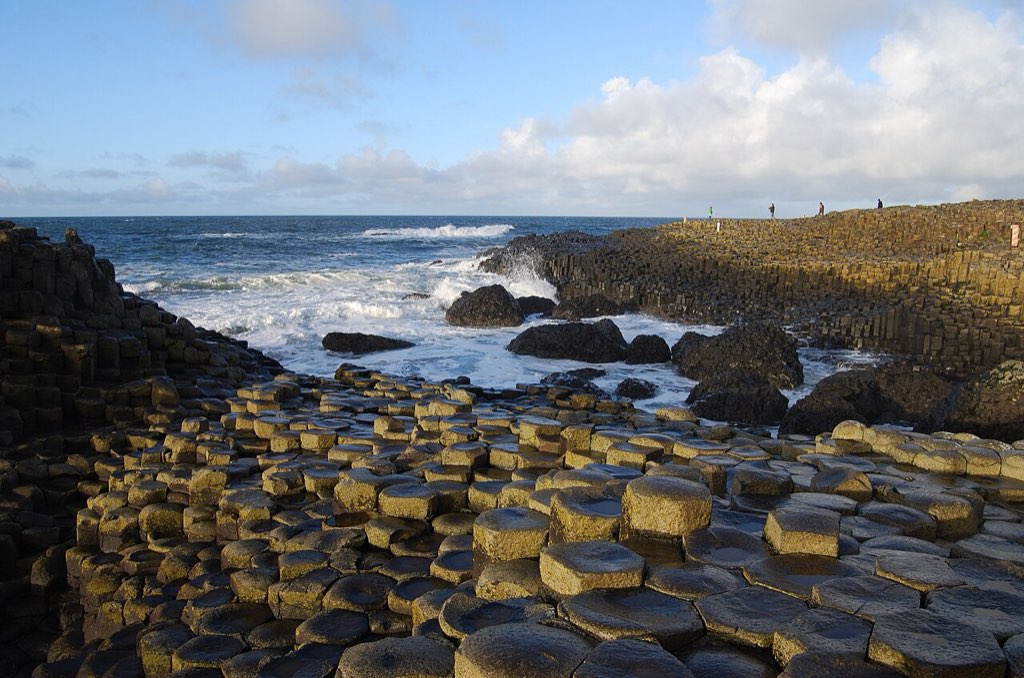
Northern Ireland has regulated holiday accommodation for longer than any other part of the UK, through a single instrument: a certificate from Tourism NI. There is no night cap, no residence condition and no quota. There is, however, an inspection, and trading without a certificate is unlawful. Below is how the system works, checked against official sources in September 2026.
The rule in one sentence
The Tourism (Northern Ireland) Order 1992 makes it illegal to offer tourist accommodation in Northern Ireland without a valid Tourism NI certificate. That covers self-catering houses and apartments let to visitors, as well as guest houses, bed and breakfasts, hostels and other categories. A whole flat in Belfast listed on a platform is self-catering accommodation, and so is a cottage on the Causeway Coast.
From application to certificate
- Apply: online through Tourism NI's forms portal, or by post.
- Pay: for self-catering, £40 per unit, with a minimum of £40 and a maximum of £350 per application.
- Be inspected: Tourism NI visits the premises against its minimum criteria for the category, then allocates a statutory category or refuses certification.
- Stay certified: inspections take place at least every four years, and between them you complete a yearly statutory review form.
Tourism NI publishes a self-catering checklist and a kitchen inventory, which are the best preparation for the visit. A certificate can be revoked if the property no longer meets its category or if the operator twice refuses an inspection; a review can be requested within seven days. The inspection does not cover every aspect of the property, so the owner remains responsible for guest safety and for describing the accommodation accurately.
A framework under review
The Department for the Economy consulted from 14 October 2025 to 6 January 2026 on the statutory regulation of tourist accommodation, noting that the last review dated from 2011 and that the market has changed a great deal since. No outcome had been published when we wrote this guide. Changes to categories, standards or the certification process are possible, so owners should expect the rules to be refreshed rather than relaxed.
Fire safety
Fire law in Northern Ireland is separate from Great Britain's. The Fire and Rescue Services (Northern Ireland) Order 2006 and the Fire Safety Regulations (Northern Ireland) 2010 require whoever controls tourist accommodation to assess fire risk and act on it: detection, escape routes, doors, emergency information for guests who do not know the building. The Northern Ireland Fire and Rescue Service publishes a practical guide for small self-catering premises, revised in 2026, which is the right starting point.
Rates, planning and tax
Northern Ireland has domestic and non-domestic rates rather than council tax. Self-catering accommodation available for short-period lets for 140 days or more a year is generally valued for non-domestic rates; below that threshold, domestic rates apply. Land and Property Services decides. Planning is handled by the eleven district councils: whether a change of use needs permission depends on the property and its setting, so ask the council's planning office before investing in a conversion. For income tax, the end of the furnished holiday lettings regime in April 2025 applies here as elsewhere in the UK, and the separate property income rates announced for April 2027 cover Northern Ireland.
Leases and lenders
As in the rest of the UK, the certificate does not override private contracts. A lease that limits use to a private residence, a management company's rules in an apartment block or a residential mortgage without consent to let can stop a project that Tourism NI would happily certify. Read them first.
Where it leads for owners
The Northern Irish system rewards preparation. Owners who furnish to the category criteria, keep their safety records up to date and apply well before the first booking tend to move through certification without surprises, whether the property is in Belfast or along the coast. Those who list first and apply later take a legal risk and lose the benefit of a clean start. Tell us about your property; we study every request and tell you honestly whether and how we can help.
Markets covered
Other guides
Sources
- nibusinessinfo.co.uk — Tourist accommodation certification (accessed 2026-09-27)
- Tourism NI — Basic guide to starting a self-catering accommodation (accessed 2026-09-27)
- nibusinessinfo.co.uk — Inspections of certified tourist accommodation (accessed 2026-09-27)
- Department for the Economy (NI) — Consultation on the statutory regulation of tourist accommodation (2025-10-14)
- nibusinessinfo.co.uk — Business rates for your tourist accommodation premises (accessed 2026-09-27)
- NIFRS — Small self-catering premises fire safety guide (V3) (2026-03)
- legislation.gov.uk — The Fire Safety Regulations (Northern Ireland) 2010 (2010)
- GOV.UK — Changes to tax rates for property, savings and dividend income (2025-11)
Updated 29/09/2026.
Thinking of renting out your property?
Tell us about it: we study every request, check the rules for your exact address and tell you honestly whether and how we can help. Free and without obligation — Hexuvium, managing short-term rentals since 2015.
Get a free income estimate