
Holiday letting in Southern Scotland
Galloway's coast and forests and the Borders' abbey towns: what licensing, rates evidence and council tax premiums mean for owners in 2026.
AirDNA market averages (markets with at least 150 active listings), atlas updated September 2026, in pounds (1 EUR = 1.1403 USD = 0.86045 GBP, ECB 25/09/2026). An average across all property sizes, not a promise. Rules status: our summary — read the text and the guide.
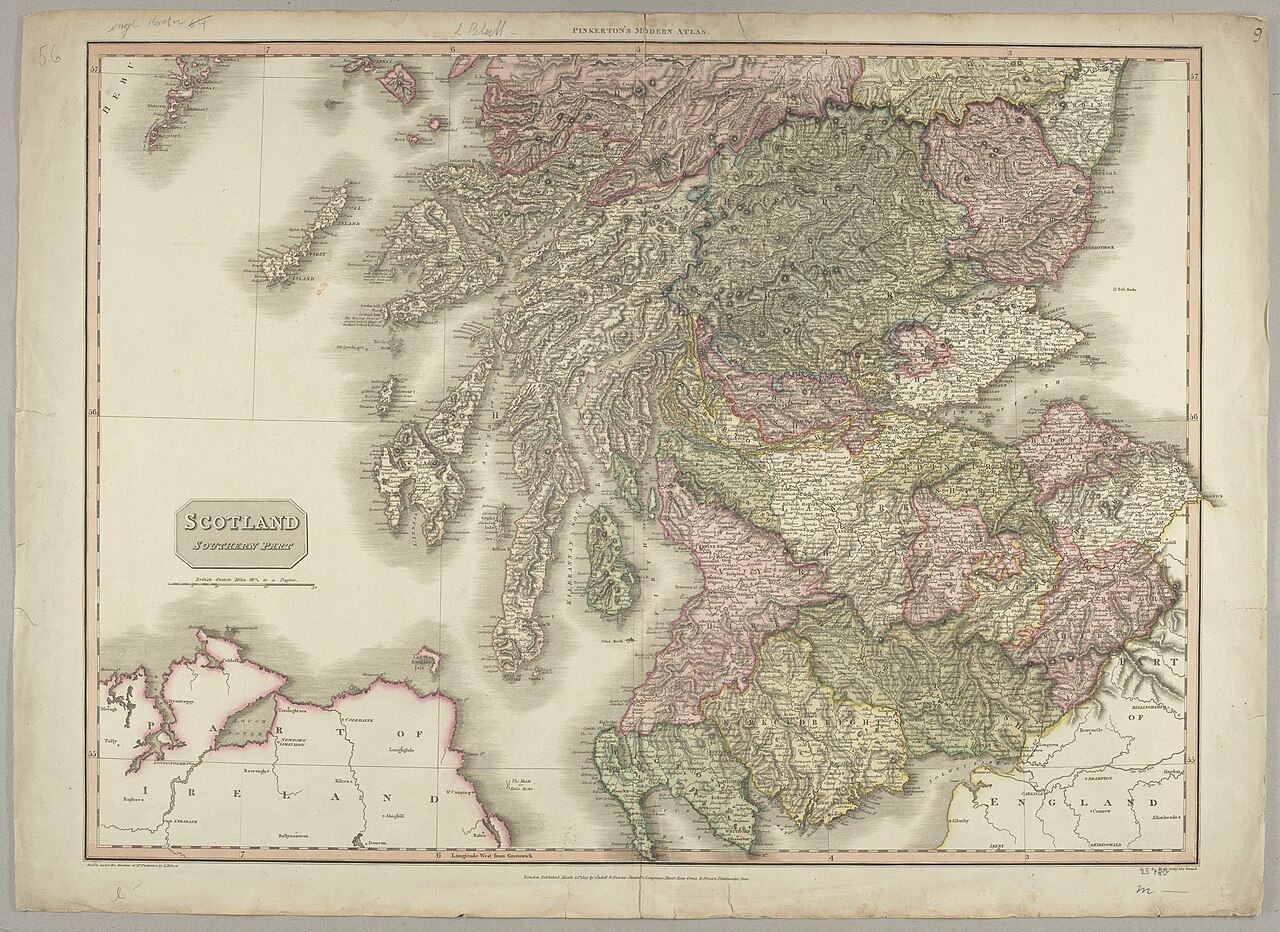
Southern Scotland covers two council areas that many travellers drive straight through, which is exactly why they reward owners who market them well. Dumfries and Galloway offers the Solway coast, Kirkcudbright's artists' town, the Galloway Forest's dark skies and the mountain-bike trails of the 7stanes. The Scottish Borders have the abbey towns of Melrose, Jedburgh, Kelso and Dryburgh, the Tweed valley, Peebles and the Berwickshire coast, linked to Edinburgh by the Borders Railway. Guests are often families, walkers, cyclists, anglers and wedding parties, many arriving from the north of England.
Licensing without planning control
Both councils run the national short-term let licensing scheme under the Civic Government (Scotland) Act 1982, in force for all hosts since 1 October 2023. A licence is needed before any booking, there is no cap on numbers, and neither area has designated a control area, so planning permission is not automatically required for a whole-home let. A council can still decide that a specific let is a material change of use, so ask before converting a flat in a shared building.
Applications are public. Dumfries and Galloway, for example, publishes a register and a map of applications, and anyone can object within the 28-day notice period. A tidy application, with a fire risk assessment, gas and electrical certificates, insurance and an energy performance certificate, and a courteous word with neighbours, avoids most difficulties.
Rates and council tax
Scottish Borders Council reminds owners that a new holiday let stays in council tax until it has actually achieved 70 nights of letting, alongside availability for 140 nights; only then should you apply to the assessor to join the valuation roll. Council tax is paid in the meantime, with any overpayment refunded if the change is backdated. Second homes in the Borders now carry a premium set at 125%, rising in steps to 200% by 2028, so an under-used property becomes expensive to hold. In Dumfries and Galloway, check the current premium on the council's website.
Our advice
- Sell the region for longer stays: forests, trails and rivers suit four- to seven-night breaks.
- Aim to reach the letting threshold quickly in the first year and document every night.
- Neither council has a visitor levy scheme in place; keep an eye on local debates.
Tell us about your property in Galloway or the Borders; we study every request and tell you honestly whether and how we can help.
Around Southern Scotland
Read next
- Rules in Scotland
- Short-term rental in Belfast
- Short-term rental in Birmingham
- Short-term rental in Brighton and Hove
- Council tax premiums on second homes and holiday lets in 2026
- Buying a holiday let: stamp duty and its equivalents across the UK
- England's open markets: where short lets still work in 2026
- Short-term rental in the United Kingdom
Sources
- mygov.scot — Short-term let licences (accessed 2026-09-27)
- Dumfries and Galloway Council — Object to a short-term let licence application (accessed 2026-09-27)
- Scottish Borders Council — Self-catering accommodation (non-domestic rates) (accessed 2026-09-27)
- SPICe Spotlight — New Scottish council tax powers for empty and second homes (2026-03-24)
- VisitScotland Business Support — Scotland's Visitor Levy (accessed 2026-09-27)
Updated 10/10/2026.
Thinking of renting out your property?
Tell us about it: we study every request, check the rules for your exact address and tell you honestly whether and how we can help. Free and without obligation — Hexuvium, managing short-term rentals since 2015.
Get a free income estimate