
Short-term letting in Glasgow: licence, planning and tax
Glasgow has no control area, but its planning rules treat flats and houses very differently. What owners need before the first booking.
AirDNA market averages (markets with at least 150 active listings), atlas updated September 2026, in pounds (1 EUR = 1.1403 USD = 0.86045 GBP, ECB 25/09/2026). An average across all property sizes, not a promise. Rules status: our summary — read the text and the guide.
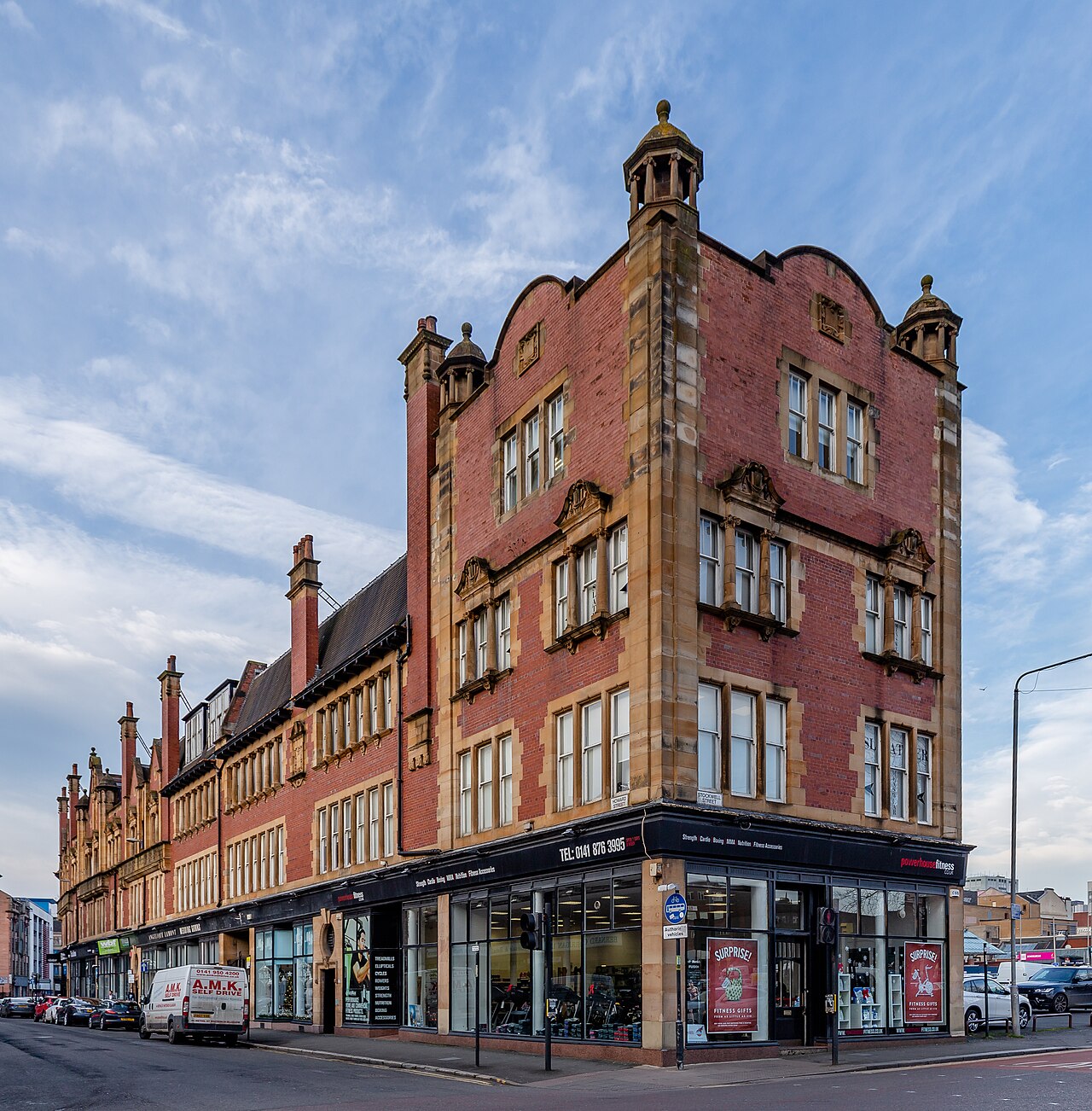
Glasgow sells itself differently from Edinburgh. Visitors come for concerts at the Hydro and the Barrowland, football at Hampden, Celtic Park and Ibrox, conferences at the SEC, the museums of the West End and a restaurant scene that keeps improving. Business travel and events smooth out the seasons, so a well-placed flat can stay busy outside summer.
Licence first, no control area
Every short let in the city needs a licence from Glasgow City Council under the Civic Government (Scotland) Act 1982, obtained before the first booking. The mandatory conditions cover the repairing standard, smoke, heat and carbon monoxide alarms, a fire risk assessment, gas and electrical checks, insurance, an energy performance certificate and a maximum guest number. Glasgow has not designated a short-term let control area, so there is no blanket planning requirement across the city.
Planning: flats and houses are treated differently
This is the part that catches investors out. Glasgow's planning guidance says permission is required for a flat used frequently as a short let, and that it will be granted only in a rare and specific set of circumstances. A one-off let of under 14 consecutive days does not need permission. A main-door house occupied by a single household is, by contrast, unlikely to need planning permission. Tenement flats sharing a close with residents therefore carry real risk, even with a licence in hand, because licensing and planning are separate departments that each apply their own rules.
Council tax and the coming levy
- Glasgow charges a 200% premium on second homes from 1 April 2026, so an empty furnished flat pays three times the standard council tax.
- A self-catering property can move to non-domestic rates if it is available for 140 nights and actually let for 70 in the financial year, with evidence sent to the assessor.
- A 5% visitor levy on accommodation starts on 25 January 2027. Build it into prices for stays on and after that date.
Our advice for Glasgow owners
Before buying, ask the planning department about the specific address, or apply for a certificate of lawfulness; a main-door property or a house is usually a safer basis than a flat off a common close. Keep booking records tidy for the rates assessor, and if a flat will not get planning consent, a furnished mid-term let to contractors or visiting staff can use the same furniture and demand. Tell us about your property; we study every request and tell you honestly whether and how we can help.
Around Glasgow
Read next
- Rules in Scotland
- Short-term rental in London
- Short-term rental in Manchester
- Short-term rental in Belfast
- Applying for a short-term let licence in Scotland, step by step
- England's open markets: where short lets still work in 2026
- Business rates or council tax? The holiday let thresholds explained
- Short-term rental in the United Kingdom
Sources
- Glasgow City Council — Short-term lets (planning) (accessed 2026-09-27)
- mygov.scot — Short-term let licences (accessed 2026-09-27)
- Glasgow City Council — Second homes (council tax) (accessed 2026-09-27)
- mygov.scot — Non-domestic rates: self-catering, bed and breakfast and guest houses (accessed 2026-09-27)
- VisitScotland Business Support — Scotland's Visitor Levy (accessed 2026-09-27)
Updated 30/09/2026.
Thinking of renting out your property?
Tell us about it: we study every request, check the rules for your exact address and tell you honestly whether and how we can help. Free and without obligation — Hexuvium, managing short-term rentals since 2015.
Get a free income estimate