
Short-term rental in Iceland: rules and advice for owners
What the law in Iceland asks of owners who let their home on Airbnb or Booking, which cities are open or restricted, and our practical advice. Updated 18/10/2026.
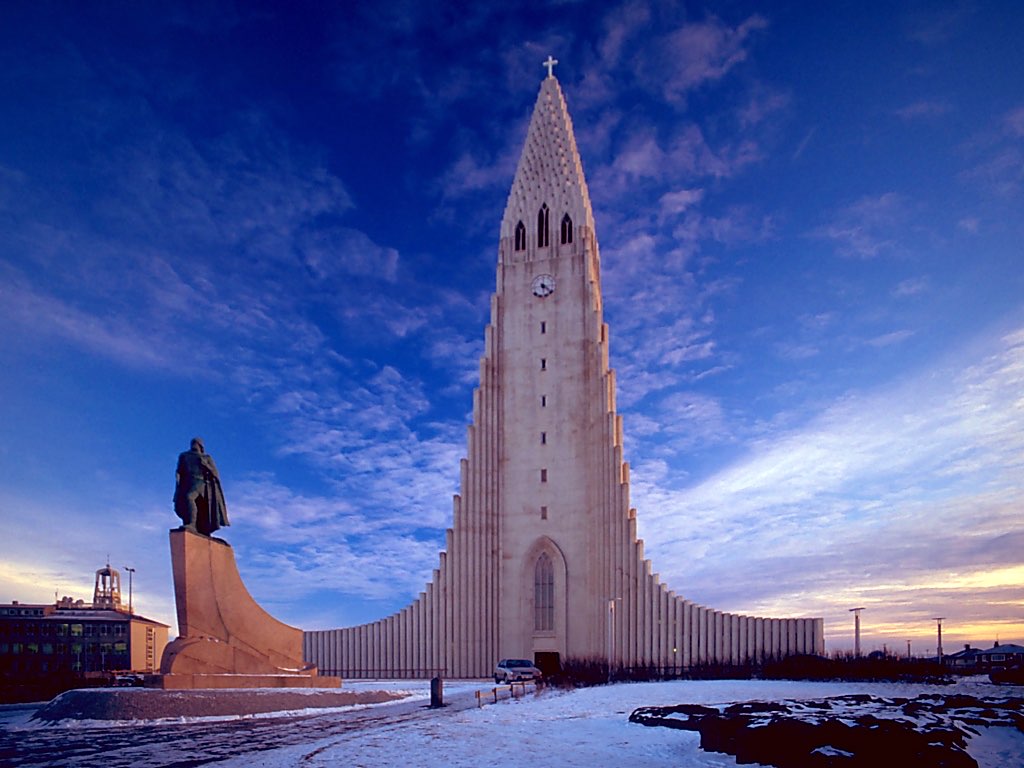
Homestay rules confirmed in 2026
Iceland is outside the EU and regulates short-term rental through its own homestay (heimagisting) regime. On 19 March 2026 the Althingi passed legislation that limits private hosts to their legal residence, plus one property outside urban areas such as a summer house, for up to 90 days and ISK 2 million in revenue per year. Registration with the District Commissioner (Sýslumaður) is required and must be renewed every calendar year, and the registration number has to appear in all marketing and on every booking site.
Commercial operators face a different test
Letting beyond the homestay limits requires an accommodation licence. Under the 2026 law, such licences are reserved for properties in commercially zoned areas rather than residential zones, and they expire after five years unless renewed. The national rules apply across the country; municipalities weigh in through their zoning plans, which decide where commercial accommodation may exist at all. Apartment-hotel models spread across ordinary residential buildings are precisely what the reform set out to curb.
Reykjavík
Our list includes Reykjavík, classified under "main residence only": you may let the home where you legally live, within the 90-day and revenue limits, but running a residential flat as guest accommodation is not an option in a residential zone.
Taxes and sanctions
Homestay income is taxed as capital income, and no deduction of costs is allowed. Accommodation tax does not apply to a registered homestay that stays within the 90 days and ISK 2 million; beyond those limits, VAT registration and accommodation tax come into play. The authorities can impose administrative fines and cancel a registration when limits are exceeded.
Our practical advice
Register before you publish anything, display the number everywhere, and track both nights and revenue, since either limit can be reached first. If you own a flat in Reykjavík that is not your legal residence, short-term letting is not a workable strategy under current law, and a long-term lease is the safer path. Tell us your situation and we will say honestly whether and how we can help.
Where it earns most: AirDNA markets
| Market | Avg nightly rate | Occupancy | Avg yearly revenue | Rules |
|---|---|---|---|---|
| Reykjavík | €224 | 67% | €45,863 | closed |
| Hella | €284 | 60% | €41,148 | licence |
| Mosfellsbær | €224 | 60% | €37,752 | closed |
| Höfn Hornafirði dreifbýli | €251 | 64% | €37,419 | licence |
| Kópavogur | €191 | 64% | €34,412 | closed |
| Selfoss | €207 | 60% | €32,002 | closed |
| Akureyri | €222 | 54% | €30,640 | closed |
| Hafnarfjörður | €188 | 60% | €28,854 | closed |
AirDNA 2026, markets with at least 150 active listings and more than $30,000 of yearly revenue per listing, converted at 1 EUR = 1.1567 USD. These are the strongest markets, not the national average, and not a promise.
Neighbouring countries
Other country guides
All European countries covered by Hexuvium →
Frequently asked questions
Is Airbnb legal in Iceland?
Iceland limits private hosts to their legal residence, 90 days and ISK 2 million a year, with a yearly registration number; commercial licences need commercial zoning.
Can Hexuvium manage my property in Iceland?
Send us your address and a short description. We check the national and local rules for your exact property in Iceland, then tell you honestly whether and how we can help — free and without obligation.
Sources
- Reykjavík Grapevine — Airbnb law confirmed in Althingi (2026-03-23)
- Ísland.is — Heimagisting, upplýsingar og umsókn (2026)
- Skatturinn — Gistináttaskattur (2026)
Thinking of renting out your home?
Tell us about your property: we study every request, check the local rules with you and tell you honestly whether and how we can help. Free and without obligation — Hexuvium, managing short-term rentals since 2015.
Get a free income estimate